
USB-C Cable and Adapter Labeling Notes for Distributor
Many USB-C order problems start before production, when two similar parts are described with the same short name. Buyers usually work from USB-C cable spec notes before a drawing is signed off. For distributors, installers and kit builders, a clear labeling plan helps separate cable length, connector direction, speed class and application before goods are received. For USB-C female extension cable orders, Eilinks Eletronics in China works from the drawing. Anyone planning a batch order should look at the usb-c cable compliance checklist first.
Usb-c cable orders from China usually start from the drawing and a sample run.
Use names that describe the actual role
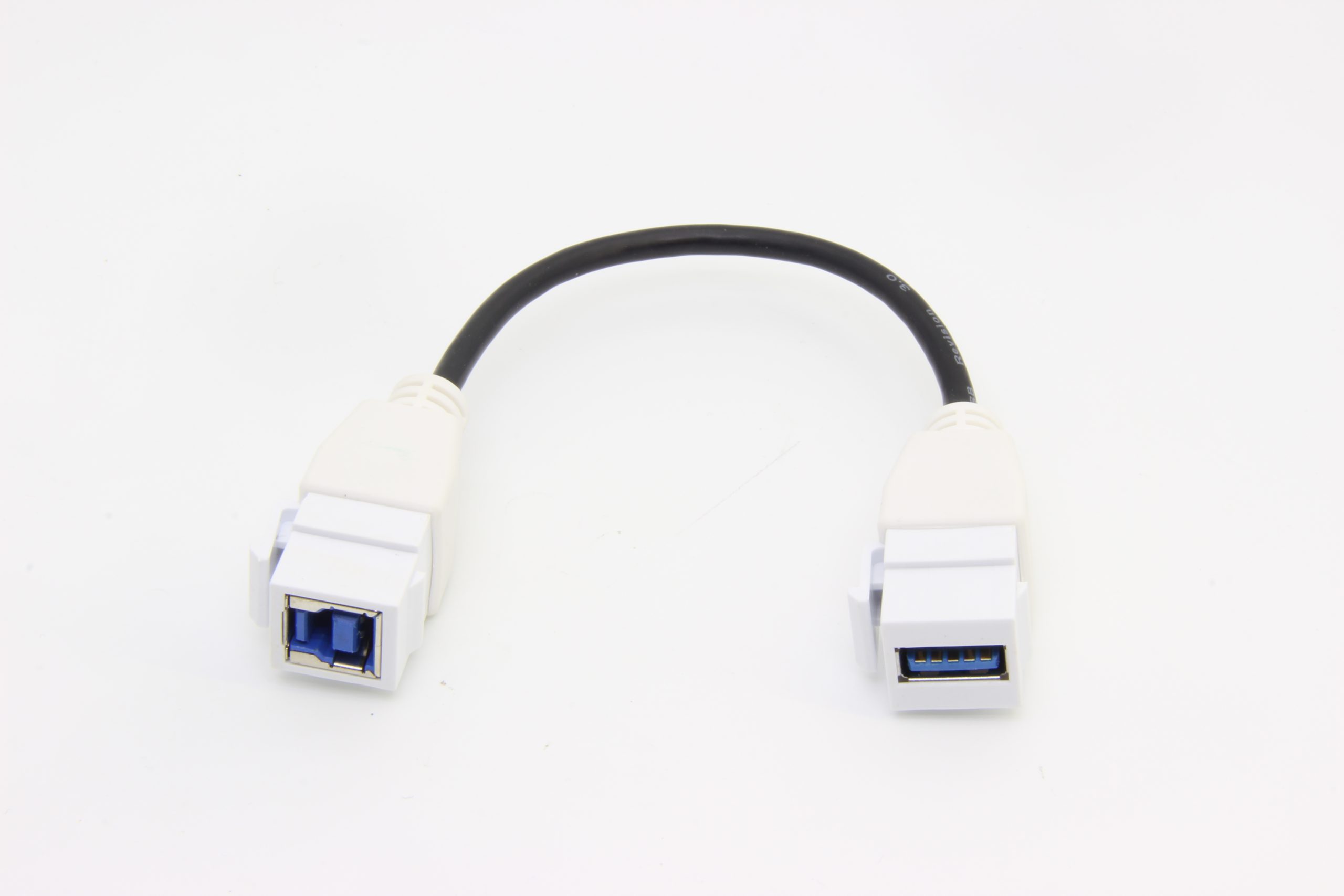
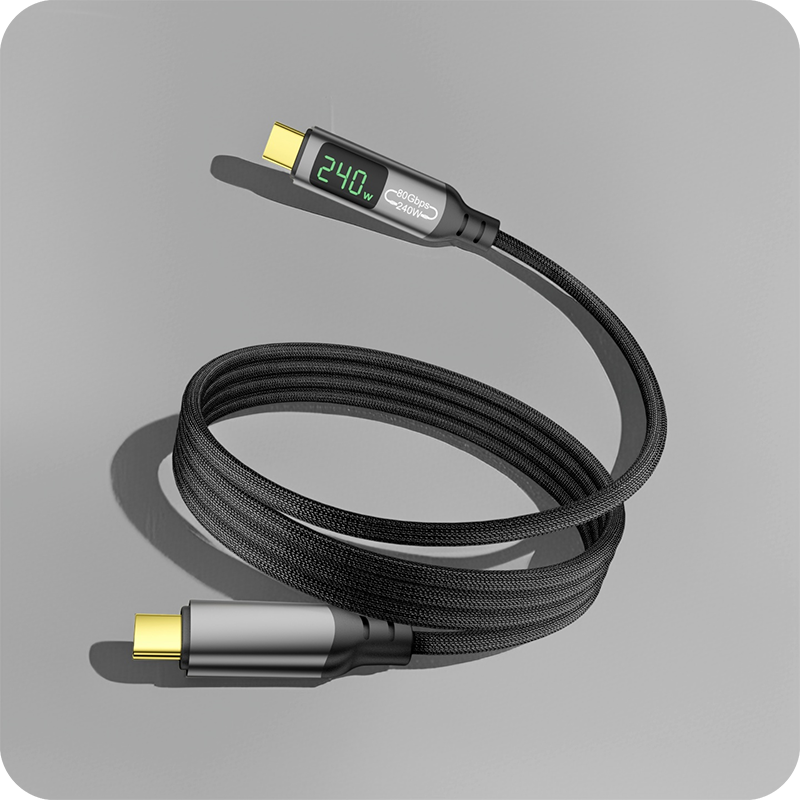
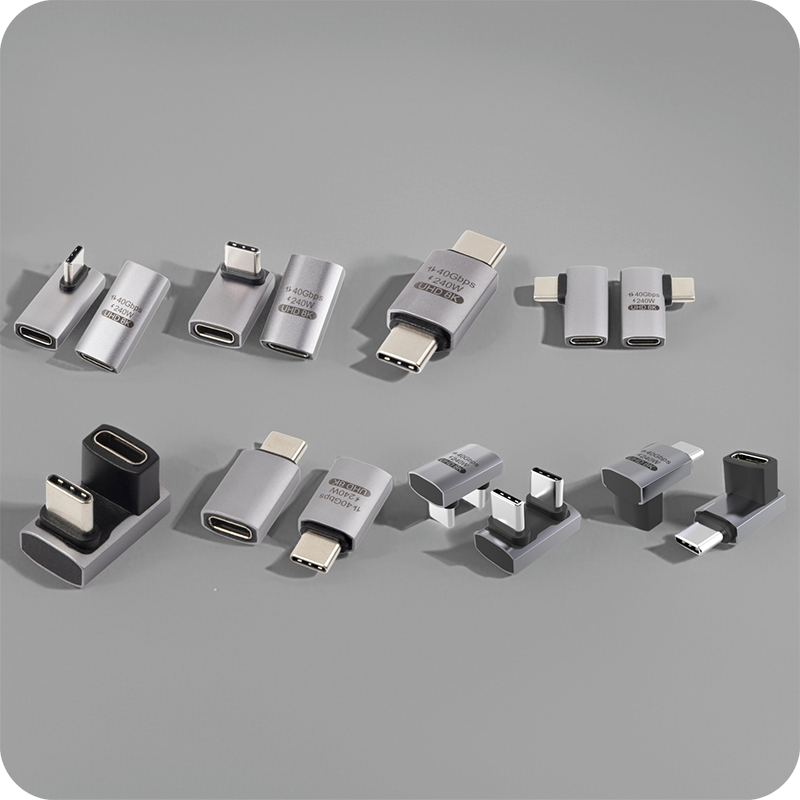
A useful order label should say what the part connects, what it is expected to carry, and where it will be used. For example, a USB-C male to USB-C female extension cable should not be grouped under the same label as a compact double-side 20G USB-C extension adapter if the receiving team must pick the correct part quickly. The wider range behind this part is set out in the 100W 20Gbps cable. Buyers comparing this point usually review the usb-c cable color code spec before the drawing is signed off.
Usb-c cable choices go back to the manufacturer once the drawing is frozen.
What to confirm with the supplier
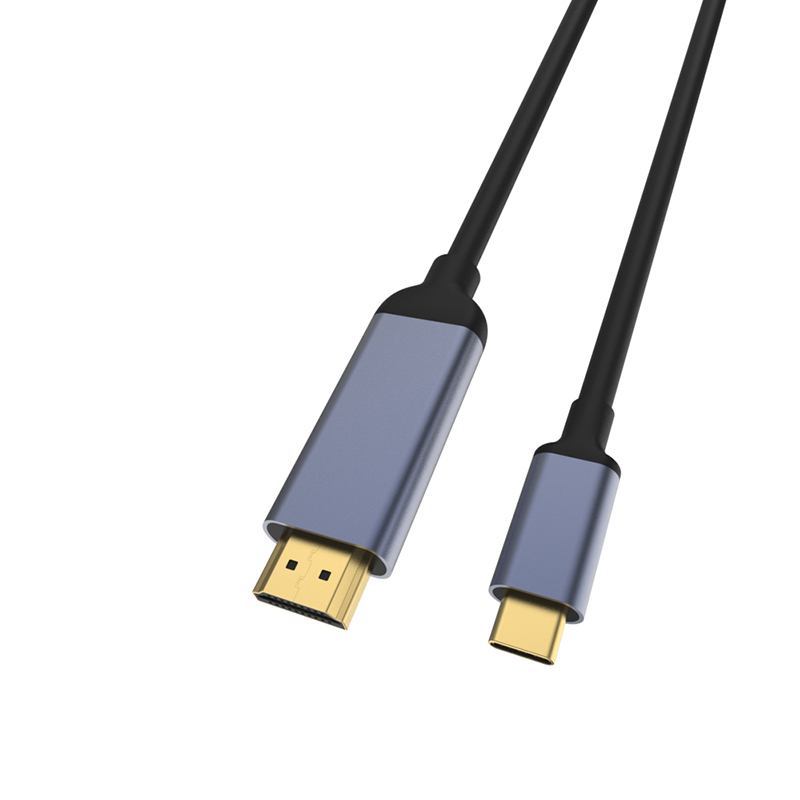
- Whether buyer part numbers, carton labels or inner bag labels are required. Dongguan Eilinks ships from China, and documents USB-C female extension cable details on the order record.
- Which product title, speed class and connector orientation should appear on purchase documents.
- Whether samples need the same labels that will be used for the bulk order.
- How replacement or spare parts will be identified after installation or kit assembly.
Common ordering mistakes
Before finalizing a distributor order
Review the intended SKUs against the USB-C product catalog and keep the order notes practical: connector path, speed class, length or form factor, orientation and use case. Most projects reach this decision through the 100W 20Gbps cable built in Dongguan. That gives both purchasing and receiving teams a cleaner reference when comparing samples, quotations and delivered goods. The underlying standard behind this interface is maintained by the USB Implementers Forum.
| Label field | Why it matters | Example wording to clarify |
|---|---|---|
| Connector path | Prevents confusion between extension, conversion and host-side accessories. | USB-C male to USB-C female, USB-A host to USB-C device, or USB-C female to female adapter. |
| Speed or interface class | Keeps USB 2.0, 5Gbps, 10Gbps and 20Gbps parts from being mixed in one bin. | Use the product specification or quotation wording, not a generic USB-C label. |
| Orientation | Right-angle and straight parts can fit different fixtures even when connectors match. | For a USB-A to USB-C right-angle tethered cable, confirm angle direction in the RFQ notes. |
| Application | Helps warehouse and field teams distinguish camera, test bench, panel and general adapter parts. | Camera kit, inspection bench, service panel, kiosk, or spare accessory pack. |
- State the mating pair on the drawing.
- Confirm the exit direction of the plug.
- Quote the data rate at the ordered length.
- Ask for the jacket and overmould in writing.
Eilinks in China answers USB-C female extension cable questions from the same inspection sheet that ships with the cable. Teams needing a second source talk to a Chinese USB-C cable supplier early rather than at the sample stage.
| Step | Common ordering mistakes |
|---|---|
| 1 | Using one description for several cable lengths or connector directions. |
| 2 | Leaving the receiving team to interpret product photos instead of SKU names. |
| 3 | Changing the buyer part number after samples have already been approved. |
| 4 | Not separating similar USB-C accessories by application or host-side connector. |
- Write both ends as a pair.
- Name the enclosure the plug must clear.
- Confirm the length at the target rate.
- Approve the sample against the drawing.
