
USB-C Keystone Jack: Panel Cutout Checks Before Ordering
A USB-C keystone jack only performs as well as the opening it is pressed into. The insert carries a fixed module footprint, so the wall plate, the cutout and the box behind it decide whether the assembly sits square. Eilinks sees the same failure on retrofit panels again and again: the coupler is right and the panel is wrong.
What does a USB-C keystone jack cutout actually measure?
Keystone modules share an industry footprint that predates USB-C. The snap-in body is built around a 14.5 mm x 16.1 mm opening inside a nominal 22.5 mm faceplate module.
A USB 3.0 keystone jack coupler male to female can meet every electrical requirement in USB 2.0 and still refuse to seat if the plate was punched for a different module family.
The practical check is to measure the opening rather than the plate. A plate sold as keystone compatible may be punched for two modules, one module, or a decorative aperture that only takes an insert with a trimmed bezel. Slightly oversize and the insert rocks; slightly undersize and the clips will not engage.
Measure the aperture at its narrowest point, because a punched opening is rarely the size printed on the drawing. A caliper across the two clip shoulders tells you more than a tape across the plate.
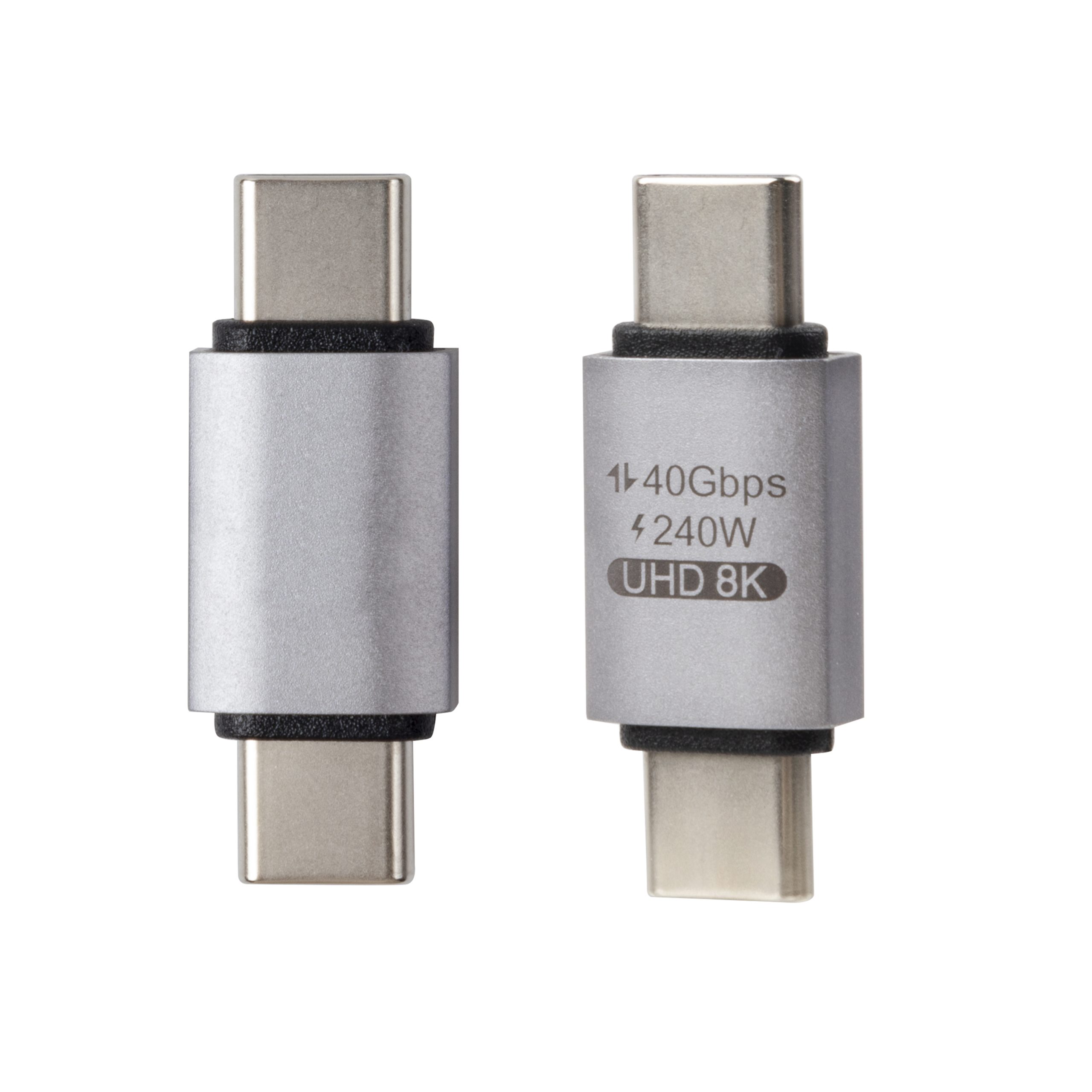
Plate thickness: the number installers skip
Eilinks Eletronics sees plate thickness rejected more often than any other measurement. Retention clips are cantilever springs. They deflect across a band of panel thickness and grip hardest in the middle of that band. Below the low end the insert sits loose; above the high end the clips are already deflected when the insert arrives.
A powder-coated steel plate is thicker than the same plate in bare steel by the coating on both faces. A 1.2 mm plate with a 0.15 mm coating each side presents about 1.5 mm to the clip, so a 2 mm brushed aluminium plate needs an insert rated for that thickness.
The gauge that matters is the one the clip actually sees, and that is the finished plate rather than the drawing. Two plates of the same nominal gauge can differ by a third once coating and edge finishing are counted.
Where the plate is thicker than the clip band, an insert with a longer clip or a shallower bezel is the usual answer. Where it is thinner, a backing shim restores the band without altering the plate.
Back box volume decides whether the coupler can be dressed
A coupler is a rigid part with a connector on each face. Behind the plate sit a rear connector body and the mating plug on the incoming cable. A shallow box that presses the cable hard against the rear of the plate loads the connector in a direction it was not designed to resist.
| Rear condition | Practical consequence | What to specify |
|---|---|---|
| Cable pressed straight back into a shallow box | Side load on the rear connector, strain carried by the solder joints | A coupler with a right-angle or 90 deg rear entry |
| Cable bends within 20 mm of the plate | Bend radius below what the cable jacket tolerates over time | A deeper box, or a keystone pigtail instead of a coupler |
| Two or more runs sharing one box | Crossed cables and trapped heat against the rear of the plate | Separate boxes per run, or a deeper enclosure |
The first decision is whether the incoming cable can approach the plate straight on. Where it can, a Chinese-made 10Gbps keystone jack pigtail still removes the rigid rear body and lets the run bend over a longer arc.
Eilinks treats box depth as the constraint that cannot move, because the wall is already finished. That makes it the first thing to measure and the last thing to renegotiate.
Where two runs share a single box, the departure angle of each cable decides how much clear space remains. Spacing the two entries apart by one module pitch keeps the cables from crossing behind the plate.
USB-C keystone jack for shallow back boxes
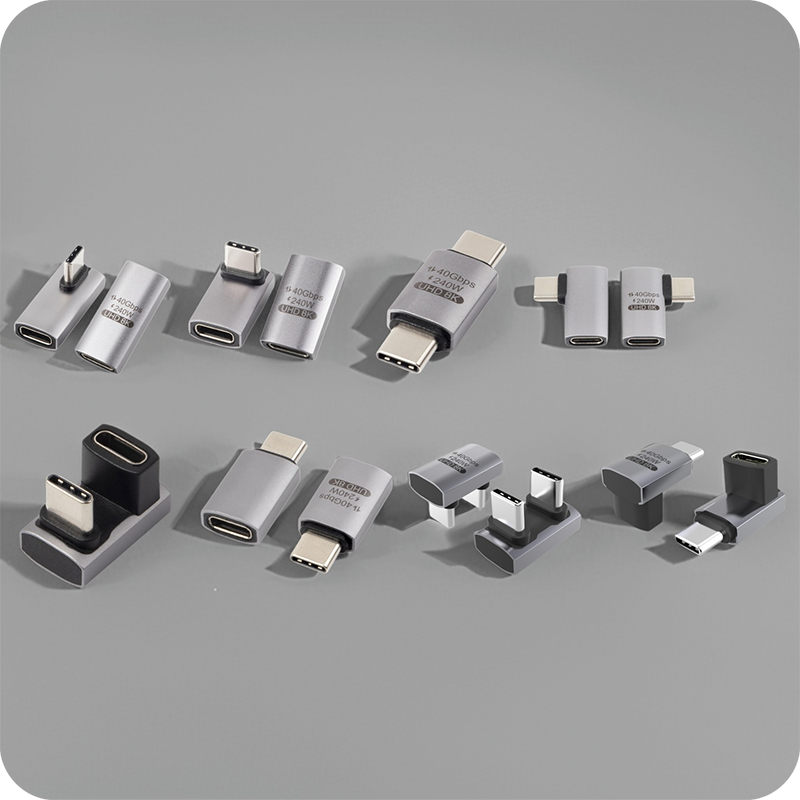
Where the box is genuinely shallow the insert choice narrows quickly. A straight-through coupler needs the least depth in front of the plate and the most behind it. An angled insert trades face-plate height for rear clearance, so the cable leaves the box parallel to the wall.
For an in-wall plate, an angled USB-C keystone jack from a Chinese USB-C keystone jack manufacturer is usually specified in three variants: 90 deg down, 90 deg up, and 90 deg left or right. The direction follows where the cable runs, and a downward insert in a low plate forces a fold at the floor.
Bend radius is the number that usually forces the choice. A jacket rated for a 20 mm radius needs that much clear space on every side of the connector, and an angled body moves the space from behind the plate to beside it.
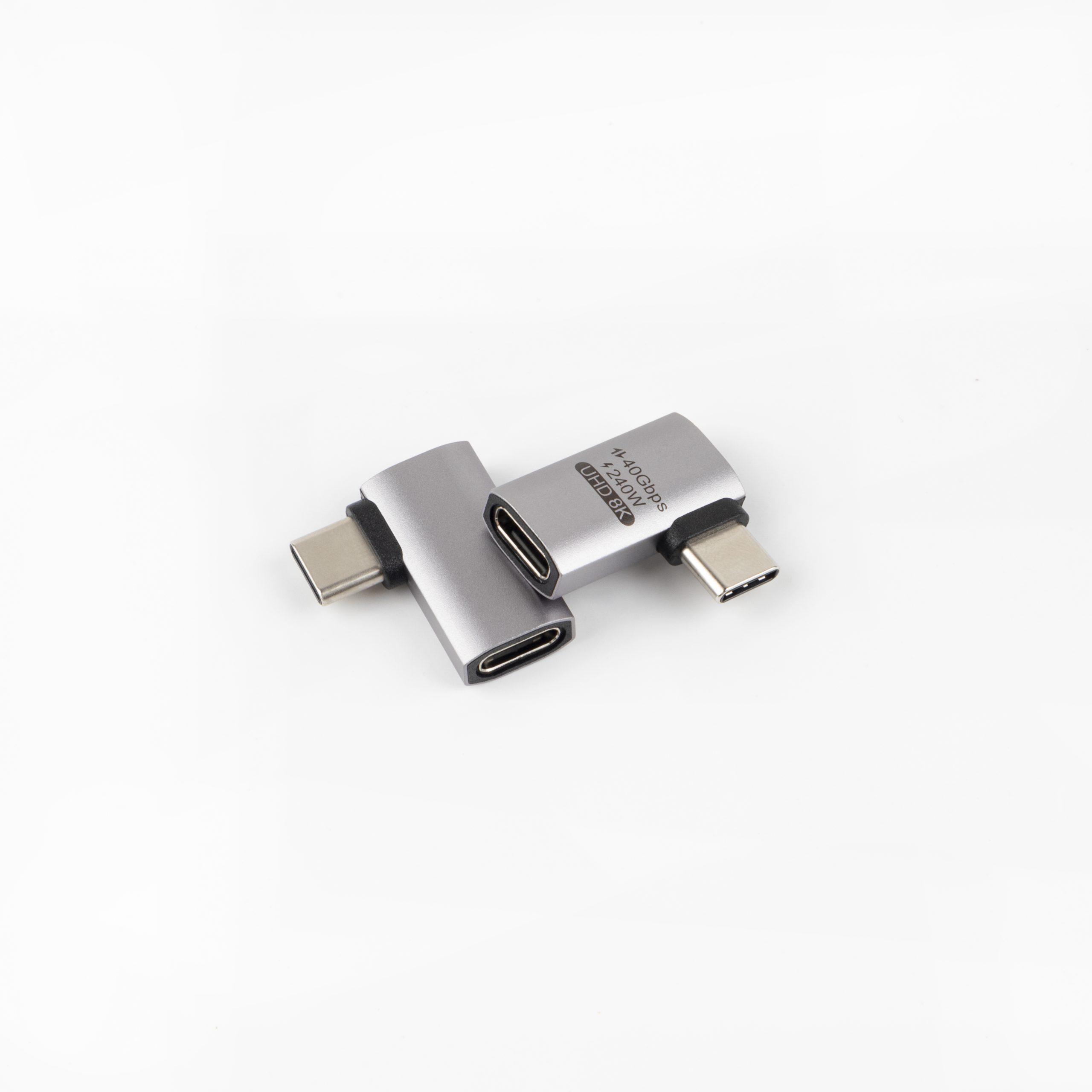
A coupler and a pigtail are not interchangeable on the same wall. The pigtail suits a wall where the cable is dressed after the plate is fixed; the coupler suits a wall where the plate is fixed after the cable is dressed.
Where the cavity behind the plate is under 25 mm deep, the angled body is usually the only option that leaves the jacket above its minimum bend radius.
Where the box depth is already fixed by the building, our note on USB-C keystone depth and back boxes covers the enclosure side of the same decision.
How to plan a multi-module plate without re-cutting
Multi-module plates are laid out on a 22.5 mm pitch, and Dongguan Eilinks builds them from a drawing rather than a catalogue. Every module position consumes one pitch, and the usable positions are a function of plate width rather than of the insert. A plate listed as two-module that actually measures 45 mm will take one insert plus a blank.
A module position rounded at the end of the plate still consumes a full pitch, and the blank that fills it is a separate part from the insert.
| Check | Measure | Failure mode if missed |
|---|---|---|
| Cutout | 14.5 mm x 16.1 mm nominal opening | Insert rocks in the aperture or will not clip in |
| Panel thickness | 1.0-1.6 mm for reliable clip retention | Clips fail to engage, or arrive pre-deflected |
| Module pitch | 22.5 mm face module | Adjacent inserts interfere on a multi-module plate |
| Rear clearance | Cable can exit without a hard fold | Side load transferred to the rear connector |
- Measure the opening, not the advertised plate size
- Measure the plate with its coating, not the bare metal
- Confirm the cable can exit without a hard fold
The safe sequence is to fix the plate layout first and choose the inserts afterwards. Panel builders who work the other way round end up filing clips, which destroys the retention geometry.
What does a keystone insert add to a channel?
Every keystone insert introduces one mated connector pair into the channel. Each mated pair contributes insertion loss and adds a small impedance discontinuity where the geometry changes. On a short bench patch the effect is negligible; across a long permanent link it eats into the loss budget the cable already consumes.
A channel carrying 10Gbps needs an insert rated at that rate, not one rated for the device at the far end. A 90 deg right-angle Type-C female coupler built for 10Gbps adds a compliant mated pair, while a lower-rated insert introduces a component the channel was not budgeted for.
China USB-C keystone jack supplier checks before an order
Eilinks is a Chinese USB-C keystone jack manufacturer, and four questions separate a supplier who can support a panel project from one who can only ship boxes. Can they supply the insert drawing with tolerances? Can they state the housing material and the plating in writing? Can they quote against a plate drawing? And can they hold the revision across repeat orders?
- The panel designer owns the plate drawing, with its cutout and thickness
- The sourcing engineer owns the insert drawing and its tolerance band
- The installer confirms the box depth and rear clearance on site
- The supplier pins the controlled drawing revision for repeat batches
The controlled drawing should travel with the part, because that is what a repeat order is checked against.
A coupler-specific treatment sits in the keystone coupler wall plate fit checks, the better starting point when only the insert is being replaced on an existing plate.
A supplier who answers all four questions in writing is a different proposition from one who answers three on a call.
Buyers importing into the EU work to USB Power Delivery specification requirements for any assembly that carries power, while RoHS requirements apply to the housing.
Questions buyers ask
Does a USB-C keystone jack change the data rate the run will carry?
The insert is a pass-through. It adds a mated pair of connectors to the channel, and each pair adds insertion loss, but it does not re-rate the cable behind it.
Can one insert fit every wall plate on the market?
No. The module footprint is widely shared, but plates differ in opening size, thickness and bezel depth. Two plates sold as keystone compatible can still be incompatible with one another.
Is a pigtail better than a coupler behind a shallow box?
It depends on how the cable exits. A pigtail removes the rigid rear body and lets the run bend gradually, which suits shallow boxes. A coupler suits a deep box.
USB-C keystone jack CE marking requirements for panel builders
Where the finished panel is placed on the EU market, CE marking requirements fall on the party that places the panel on the market, because the insert is a documentable component.
Where the measurements lead
Almost every keystone fit problem traces back to four numbers: the opening, the plate thickness, the module pitch and the clearance behind it.
Send the plate drawing and the box depth to Eilinks engineering team and the insert can be matched to the enclosure rather than the enclosure being modified around the part.
