
USB-C Hub vs Docking Station 2026: Which Do You Actually Need?
Your laptop has one USB-C port. You need HDMI for your monitor, USB-A for your keyboard and mouse, an ethernet jack because WiFi is unreliable in your office, and maybe SD card access for your camera. You’re now looking at either a USB-C hub or a docking station — and the differences matter more than their similar appearances suggest.
What’s the Core Difference?
A USB-C hub draws its power from your laptop’s single USB-C connection and splits it across multiple ports. A docking station has its own power adapter and provides a dedicated upstream connection that can deliver significantly more power and bandwidth to your laptop.
In 2026, the line has blurred considerably. Premium hubs like the CalDigit TS4 blur the definition with 18 ports and 98W of charging. But the fundamental architecture still separates the two categories.
Hub vs Docking Station: Specification Comparison
| Feature | USB-C Hub | Docking Station |
|---|---|---|
| Typical Price Range | $30 – $150 | $150 – $500+ |
| Power Delivery to Laptop | Up to 100W (pass-through) | Up to 240W (dedicated power) |
| Display Outputs | Usually 1-2 monitors | 2-4 monitors (dual 4K or single 8K) |
| Bandwidth Allocation | Shares laptop’s single connection | Dedicated upstream link (often TB4 or USB4) |
| Power Source | Bus-powered or single adapter | Dedicated power brick (often 150W+) |
| Number of USB Ports | 3-7 ports typical | 8-15 ports typical |
| Best For | Remote work, travelers, hybrid setups | Desktop replacement, power users, dual monitor offices |
How to Choose: A Decision Framework
Get a USB-C Hub If…
- You work from multiple locations and need portability
- You only need to connect one external monitor
- Your laptop already has strong native video outputs
- You’re budget-conscious (under $150)
- Your laptop charges at 65W or less
Get a Docking Station If…
- You run a permanent desktop setup with dual monitors
- You need to power-charge your laptop at 100W+ while using all peripherals
- You require wired Gigabit Ethernet for video calls or large file transfers
- You connect multiple USB-C accessories (webcam, mic, drives) simultaneously
- You want a single cable to connect and disconnect your entire desk
The USB4 and Thunderbolt 4 Factor in 2026
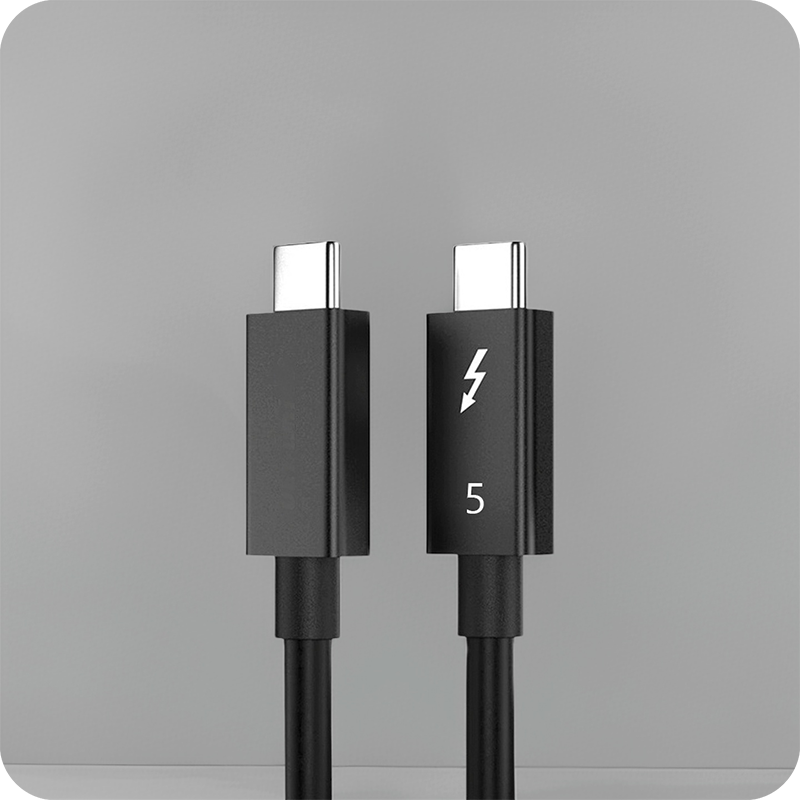
In 2026, most premium hubs and all docking stations support either USB4 or Thunderbolt 4. This matters because these standards offer 40Gbps of dedicated bandwidth — enough that your docking station doesn’t compete with your connected displays or storage devices.
Thunderbolt 4 docks are now the gold standard for desktop users because they offer:
- Dual 4K@60Hz or single 8K display support
- 32Gbps PCIe bandwidth (enough for external GPU)
- Wake-on-LAN and PXE boot support
- Daisy-chain up to 5 devices through the dock
Common Mistakes to Avoid
Mixed-Up Standards
A USB-C hub that says “USB-C” on the box isn’t necessarily USB4 or Thunderbolt 4 compatible. Many cheap hubs only support USB 3.2 Gen 1 (5Gbps) and will bottleneck your storage and display badly.
Ignoring Power Delivery
If your laptop needs 96W to charge at full speed and your hub only offers 65W pass-through, you’ll slowly drain while working. Always check both the hub’s charging speed AND your laptop’s charging requirements.
Buying Based on Port Count Alone
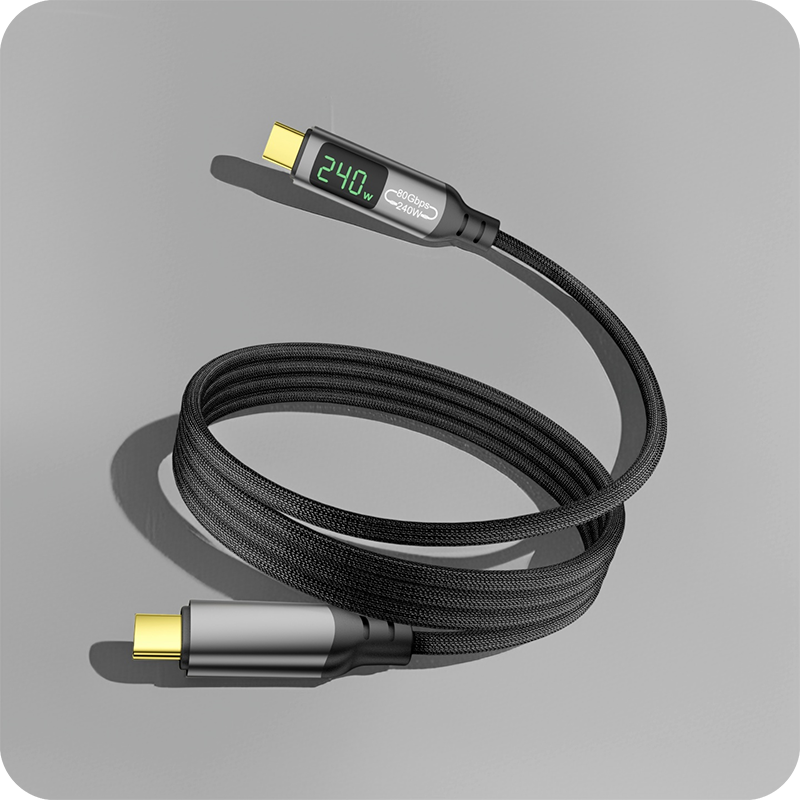
A 12-port hub with USB 2.0 ports is worse than a 6-port hub with USB 3.2 Gen 2 ports. For a USB-C Cable, prioritize port quality and standard version over raw quantity.
Conclusion
For most people in 2026, a quality USB-C hub is the right choice — especially if you’re mobile and want a compact solution. But if you’re building a true desktop replacement with dual monitors, wired peripherals, and need to keep your laptop charged at full speed, a docking station is worth the investment and the desk space. Eilinks Electronics supplies certified USB-C cables for all hub and docking station setups.
Shop the full range of USB-C Cables and accessories to complement your hub or dock setup at Eilinks Electronics.
