
USB 2.0, 10Gbps or 20Gbps USB-C Panel Interfaces: Selection
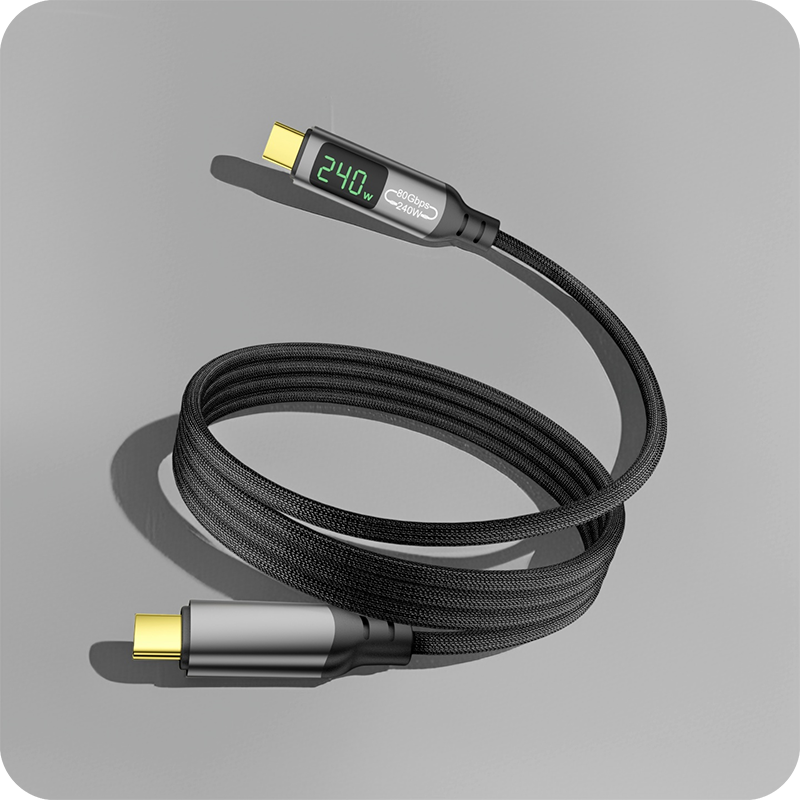
USB-C panel interfaces look similar from the outside, but the purchasing decision is usually about the whole signal path. USB-C cable spec and rating notes lists what can be quoted as a moulded assembly at this length. A wall plate, kiosk, test fixture or equipment enclosure may only need simple access, while another build may need higher data speed, charging headroom or a right-angle mechanical path. For 20Gbps USB-C orders, Eilinks Eletronics in China works from the drawing. Equipment builders tend to check the usb-c pd data speed notes before fixing this part of the spec.
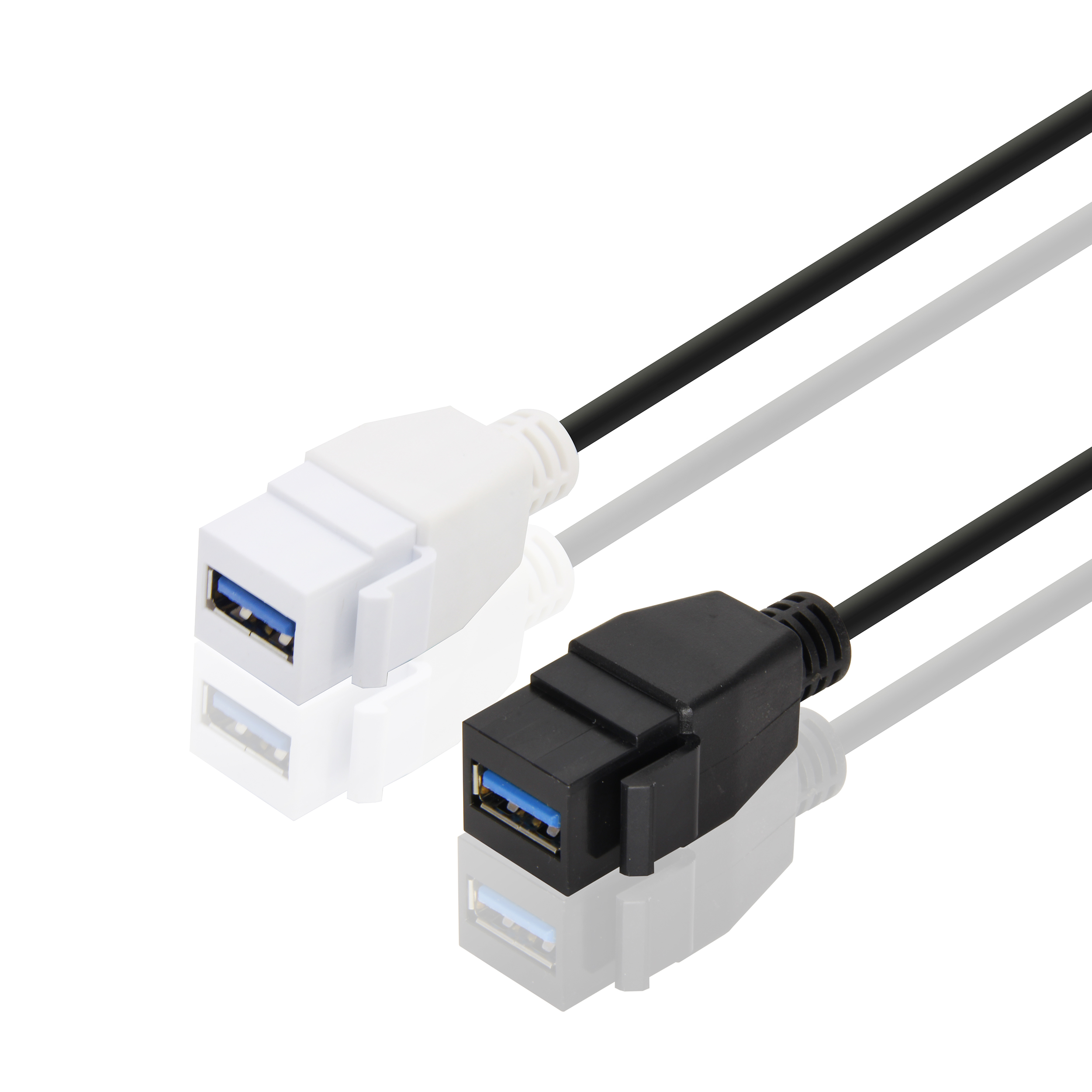
Start with what the panel connection must carry
Before comparing parts, define whether the interface is only an access point, a data connection, a charging path, or part of a combined data and power route. The answer should match the host device, cable length, mating connector, enclosure depth and service expectations. The comparison behind this section is kept current in the 240W USB4 40Gbps cable. The detail behind this step is kept current in the usb-c displayport alt mode guide.
Procurement mistakes to avoid
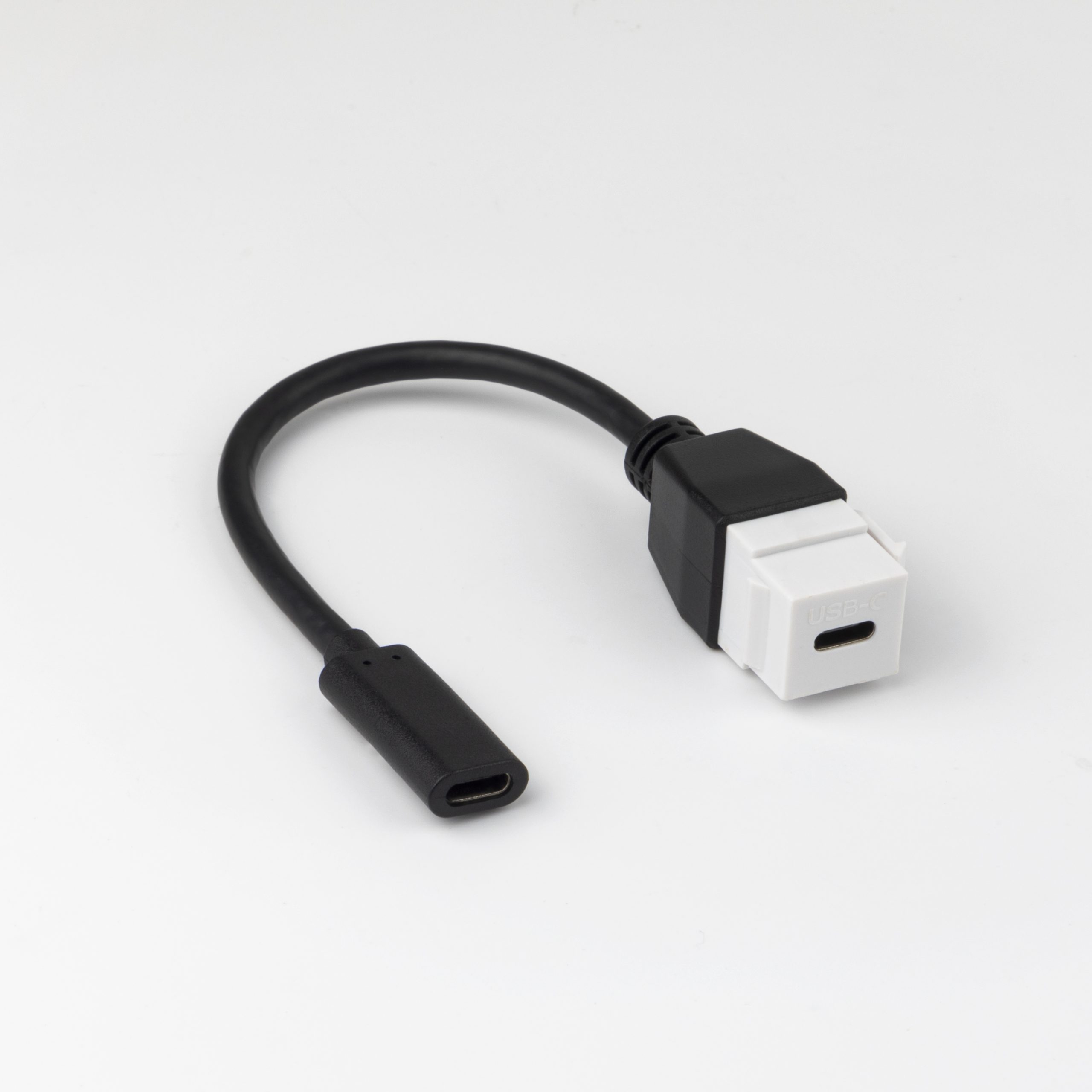
- Choosing by connector shape only, then discovering the requested data speed is not supported by the full assembly. Dongguan Eilinks ships from China, and documents 20Gbps USB-C details on the order record.
- Ignoring the rear cable route behind the panel, especially in shallow boxes or wall plates.
- Mixing USB 2.0 and higher-speed parts in one project without clear SKU notes.
- Assuming charging behavior without confirming the host, power source, cable and connected device.
Before requesting a quotation
Related product paths
For a broader starting point, review the USB-C product catalog, then compare the specific panel interface options against the mechanical and electrical requirements of the project. Equipment builders tend to check the 100W 20Gbps adapter from a China factory before fixing a connector pair.
The underlying standard behind this interface is maintained by the USB Implementers Forum.
| Interface choice | Where it usually fits | What to confirm before quotation |
|---|---|---|
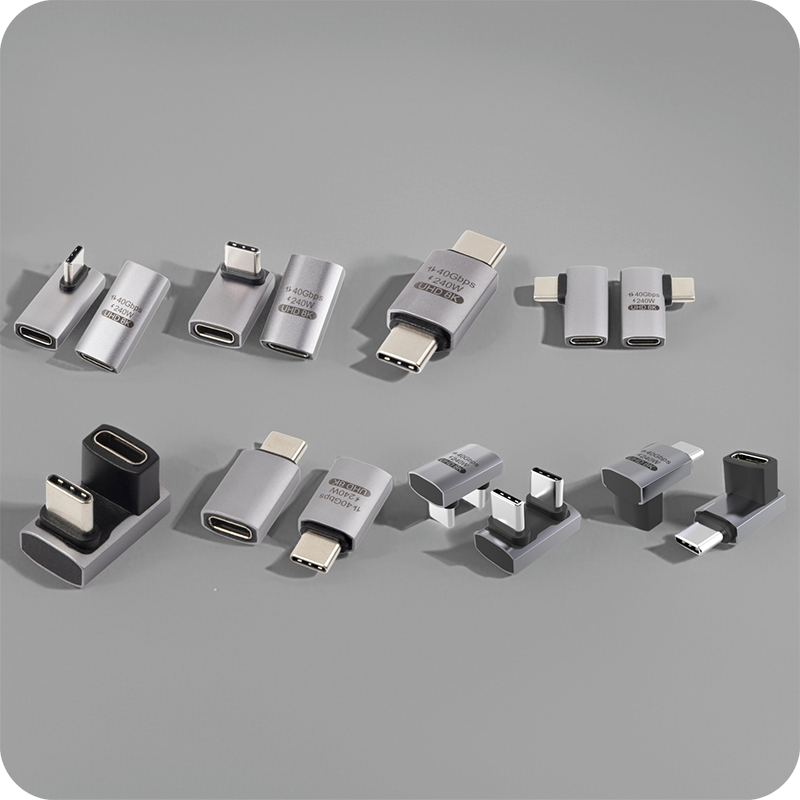
| USB 2.0 keystone jack coupler | Basic panel access where high-speed data is not the main requirement. | Connector gender, wall-plate fit, panel thickness context, and whether USB 2.0 is enough for the device. |
| 10Gbps right-angle USB-C keystone jack | Panel or wall-plate builds where the cable route needs a right-angle path and higher data rate than USB 2.0. | Required data speed, angle direction, rear clearance, mating cable orientation and host capability. |
| 20G USB-C female keystone style interface | Compact equipment panels where the specification calls for a 20G-class USB-C interface and charging requirements must also be discussed. | Data requirement, power requirement, allowed adapter depth, cable quality on both sides and sample validation plan. |
- Write both ends as a pair.
- Name the enclosure the plug must clear.
- Confirm the length at the target rate.
- Approve the sample against the drawing.
Eilinks in China answers 20Gbps USB-C questions from the same inspection sheet that ships with the cable. Buyers can talk to a Chinese USB-C cable supplier when the drawing is unclear.
| Step | Before requesting a quotation |
|---|---|
| 1 | State the target interface speed and whether it is a fixed requirement or a preference. |
| 2 | Provide panel or wall-plate context, including front access direction and rear clearance. |
| 3 | List the host device, connected device and expected cable length on both sides of the interface. |
| 4 | Ask whether samples should be checked in the actual enclosure before bulk purchasing. |
- Check the port the plug will mate.
- Confirm rear clearance before ordering.
- State whether the run is fixed or moved.
- Record the failed step in writing.
