
Temperature Rating USB-C Cable: What 80°C Really Means
A temperature rating USB-C cable carries two numbers that are often confused: the highest temperature the jacket tolerates, and the ambient it was rated in. A cable marked 80 °C can sit in a 40 °C cabinet only if its own rise stays under 40 °C, and that rise depends on the current it carries and on how tightly it is packed. A derating curve for a typical PVC assembly gives up roughly a fifth of its current capacity between 30 °C and 60 °C ambient, and a bundled run gives up a further share on top. Power lost in a conductor is current squared times resistance, so a 5 A run through 100 mΩ puts 2.5 W into a jacket that may have very little surface to shed it from. Standard PVC is commonly rated to 60, 75 or 80 °C depending on the compound, and it hardens as the plasticiser migrates, which is why an old PVC cable cracks before it fails electrically. A cabinet that holds a drive and a power supply can sit 20 °C above the room on a normal day, and the cable is the part with the least tolerance for it. Buyers preparing an RFQ for a Temperature Rating USB-C Cable should list the device, the length and the connector direction.
The distinction is arithmetic. Power lost in a conductor is current squared times resistance, so a 5 A run through 100 mΩ puts 2.5 W into a jacket that may have very little surface to shed it from. How a current rating and a temperature rating are set together explains the pairing, and a temperature rating USB-C cable from a Chinese supplier is only comparable when the ambient behind the number is stated too.
What a temperature rating on a cable actually measures
The number on a jacket is the highest continuous temperature the insulation is allowed to reach, and it is a limit on the material rather than on the room. A cable marked 80 °C can sit in a 40 °C cabinet only if its own rise stays under 40 °C, and that rise depends on the current it carries and on how tightly it is packed. A temperature rating USB-C cable is therefore described by two numbers, and the label usually prints only the first. The rating is a ceiling on the material, and the ambient is what is left of it.
Why the same cable runs hotter in a bundle
Free air is a generous assumption. A single run on a bench sheds heat from its whole circumference; the same run inside a loom or a wall plate touches its neighbours along most of that surface, and the heat has nowhere to go but into the next cable. Manufacturers publish the current rating for a single temperature rating USB-C cable in free air, so a bundle needs a derating factor applied before the figure means anything. The practical test is a temperature record at the rated current in the real routing, not a calculation from a datasheet. Bundled is a different rating from single, and the drawing should say which one applies.
Which jacket material suits which ambient
Material sets the ceiling. Standard PVC is commonly rated to 60, 75 or 80 °C depending on the compound, and it hardens as the plasticiser migrates, which is why an old PVC cable cracks before it fails electrically. TPE and TPU hold their flexibility higher and cost more. Silicone reaches 150 °C and beyond but abrades easily. What stays inside the jacket as heat is the other half of the question, and it is why two compounds with the same rating behave differently at the same current. A temperature rating USB-C cable from a Chinese supplier is only as good as the compound behind the number, and the connector side of the same limit is set out in the USB 3.2 specification. Eilinks in China matches the compound to the ambient rather than to a stock list, and quotes the connector and the jacket as two separate figures because they fail for different reasons.
| Compound | Typical continuous rating | Flex at low temperature | Where it fits |
|---|---|---|---|
| PVC | 60 to 80 °C | Stiff below -10 °C | Fixed runs indoors, lowest cost |
| TPE or TPU | 90 to 105 °C | Flexible to -40 °C | Moving runs, outdoor, coiled leads |
| Silicone | 150 to 200 °C | Flexible to -60 °C | High ambient, equipment interiors |
| FEP | About 200 °C | Stiff, abrasion resistant | Tight spaces, high temperature |
- Name the compound, not just the temperature.
- State the ambient at the installation.
- State whether the run is bundled.
- Ask for the derating factor in writing.
Why does a 5 A run feel warm at the plug?
The plug is where the cross-section is smallest and the surface area is smallest, so it is the first place a hand finds the heat. Contact resistance at the mating interface adds to the conductor resistance, and at 5 A a few milliohms is already measurable as warmth. A temperature rating USB-C cable that runs warm at the plug is telling you where the copper is thinnest. The gauge that sets the heat is on the drawing rather than on the label, and a build that meets a current claim with a thin conductor will pass a continuity check and still run hot. A warm plug is a measurement, not an opinion.
How much current does ambient temperature cost?
More than most buyers expect. A derating curve for a typical PVC assembly gives up roughly a fifth of its current capacity between 30 °C and 60 °C ambient, and a bundled run gives up a further share on top. Eilinks applies the factor per installation rather than per family. The consequence is that a 5 A claim measured at room temperature may be a 3 A claim inside a closed cabinet, which is exactly where the cable usually lives. A temperature rating USB-C cable ordered for a cabinet should be quoted at the cabinet ambient, not at the room one. Derating is not a safety margin, it is the difference between two honest ratings.
What to put on a temperature rating USB-C cable drawing
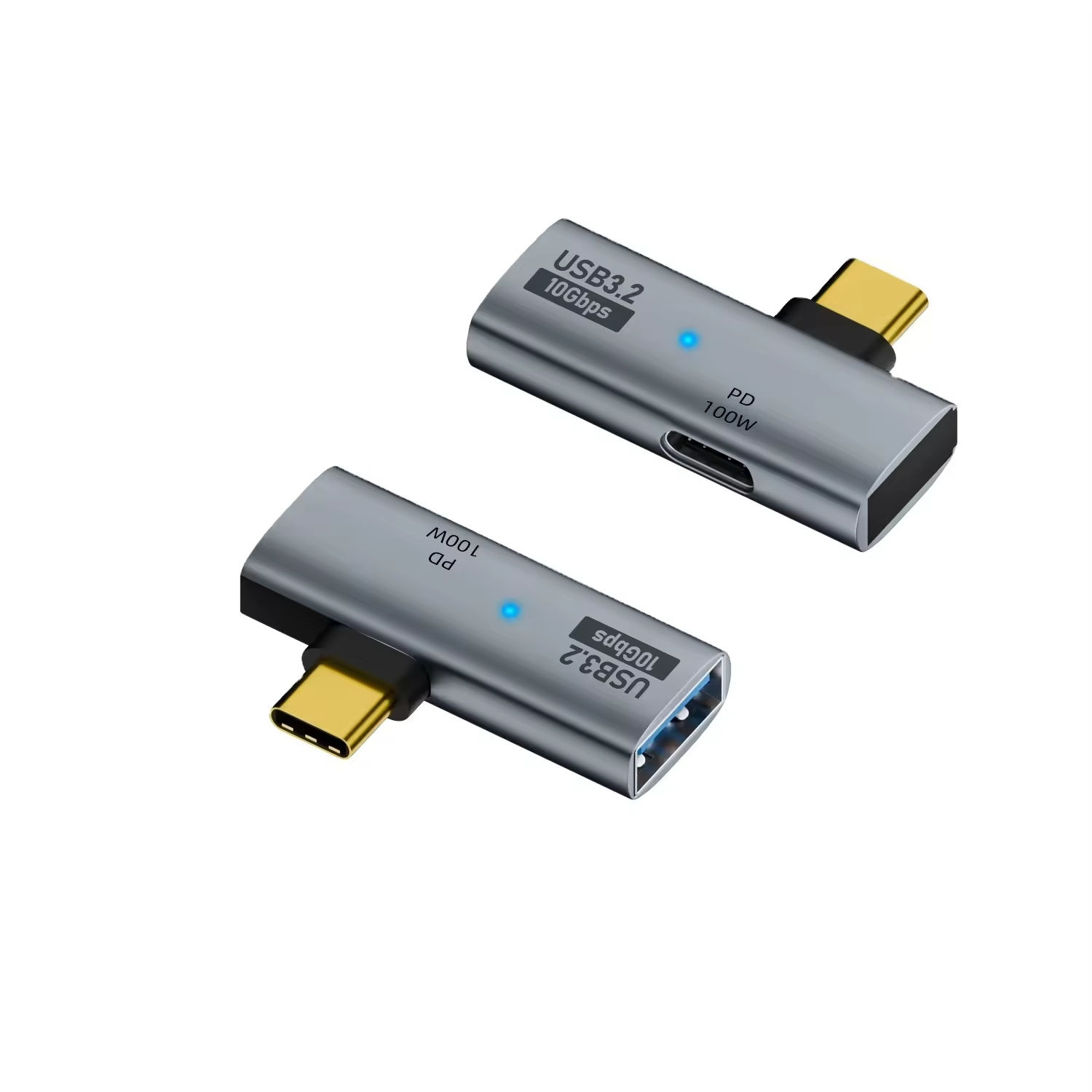
Four lines belong on the drawing rather than in the covering email. The compound and its continuous rating, because a bare temperature figure without the material is not checkable. The ambient at the installation, because that is what the rating is measured against. The bundling, because a loom derates the same assembly. The steady current at the length that ships, because resistance follows length and the heat follows resistance. Braided and TPE jacket options from the same factory are usually quoted on that basis, and a temperature rating USB-C cable without those four is a sample rather than a specification. Eilinks Eletronics puts the compound and the ambient on the same line, and keeps the two apart in the figures.
How to check a temperature rating USB-C cable at the sample stage
Run it at the rated current for half an hour and record the shell temperature at three points: the plug, the middle of the run and the far connector. Compare each against the ambient, then compare the rise against the compound rating. Repeat the run with the sample bundled as it will be installed, because that is the condition the derating assumes. A sample approval record that carries those readings is worth more than a datasheet, and it is what the next delivery gets checked against. Half an hour on a bench settles a claim that a page of specification cannot.
Where a temperature claim still fails in service
The failure is rarely a melt. PVC loses plasticiser and stiffens, the strain relief stops gripping, and the cable breaks at the joint after a few thousand flex cycles. A temperature rating USB-C cable usually fails at the joint rather than in the middle of the run. A run inside a cabinet fails at the connector instead, because the ambient there is set by the equipment rather than by the room. Both cases look like a mechanical fault and are really a temperature one. Eilinks quotes the compound against the cabinet ambient for that reason, and runs inside a control cabinet are where the gap between a datasheet and an installation shows up first. A cabinet that holds a drive and a power supply can sit 20 °C above the room on a normal day, and the cable is the part with the least tolerance for it. Measuring the ambient where the run actually hangs, rather than at the door, is the difference between a rating that holds and one that was not tested. The claim survives the bench and fails the enclosure.
| Symptom in service | What happened | Check that confirms it |
|---|---|---|
| Jacket stiff and cracked at two years | Plasticiser loss above the rated temperature | Bend the cable cold and look for crazing |
| Plug hot to touch at 5 A | Contact resistance plus a thin conductor | Shell temperature at rated current |
| Fails only inside the cabinet | Ambient derating was not applied | Compare cabinet ambient with the rating |
| Intermittent after flexing | Strain relief stopped gripping the jacket | Flex test with continuity monitoring |
- Record the shell temperature, not the room.
- State the ambient the sample was tested in.
- Repeat the run with the real bundling.
- Keep the record with the approved sample.
Questions buyers ask about a temperature rating USB-C cable
Is a higher temperature rating the better choice?
Not on its own. Silicone tolerates 150 °C and abrades far more easily than PVC, so a bench cable that does not see 50 °C gives up mechanical life for unused headroom. Match the compound to the ambient and the movement, then take the lowest-cost material that clears both.
What ambient should be written on the drawing?
The highest sustained air temperature the run will see, measured where the cable sits rather than at the room thermostat. Inside a cabinet that is often 15 to 20 °C above the room. A rating quoted against the wrong ambient is off by that difference.
Does a bundled run need a different rating?
It needs a derating factor. A loom touches its neighbours along most of the jacket, so heat leaves more slowly and the steady temperature at a given current is higher. Ask for the current rating at the bundling the installation uses, not the free-air figure.
What does 80°C on a jacket actually promise?
That the insulation may reach 80 °C continuously without giving up its properties. It says nothing about the room, and it does not mean the cable can carry its rated current at 80 °C ambient. The current has to be derated well before that.
A temperature rating USB-C cable from a Chinese supplier is comparable only when the ambient, the bundling and the compound are stated with it. Ask for those three plus a temperature record at the rated current, and keep it with the approved sample so the next delivery is measured the same way. Eilinks keeps those readings on the drawing, which is what makes the second order comparable to the first.
