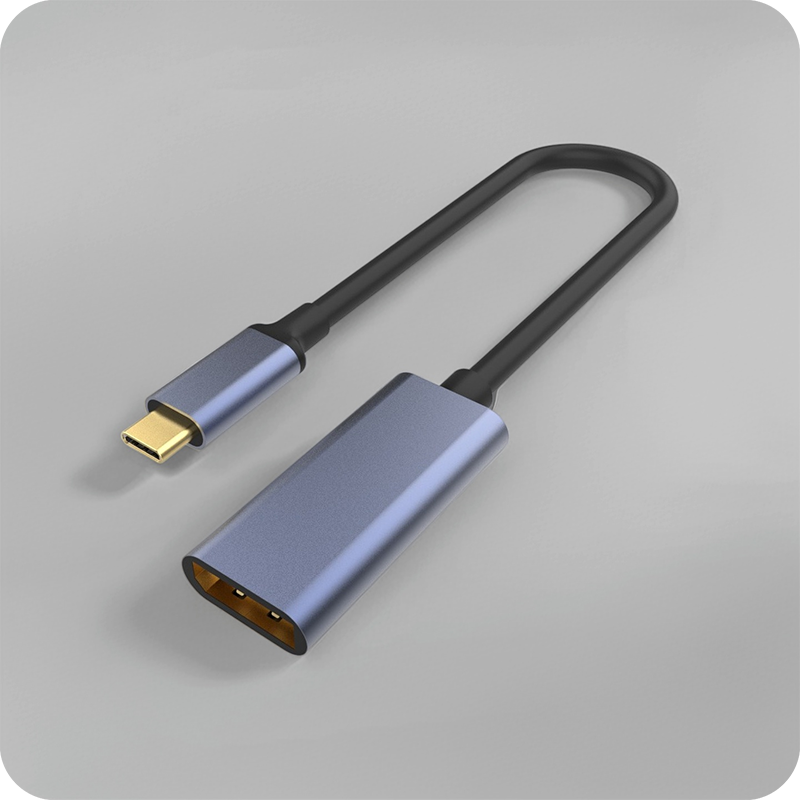
Mixed fleets often need more than a generic adapter. This guide helps buyers match USB-C OTG parts to the host device, peripheral, and daily handling conditions before quotation.
How to choose between USB 2.0, 10Gbps, and higher-speed USB-C keystone jack formats when the installation is a wall plate, enclosure, or equipment panel.
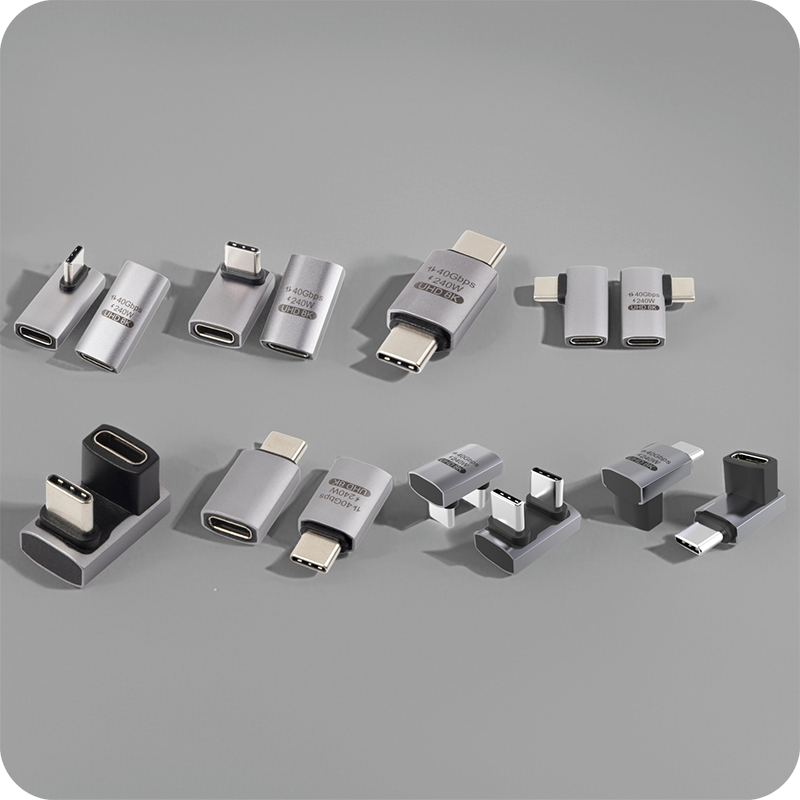
A practical checklist for procurement teams comparing 20Gbps USB-C extension adapters, keystone pass-throughs, and short interconnect choices before sample approval.
Mixed workstations often need USB-C hosts to connect with USB-A accessories or capture tools. The safer choice depends on connector direction, cable path, and required data speed.
Longer tethered photography runs need more than a connector match. Buyers should check camera port type, cable path, data rate needs, and strain relief before ordering samples.
When a USB-C port needs to exit an enclosure or wall plate, the pass-through hardware becomes part of the system, not just a convenience item. A short checklist helps avoid clearance and RFQ mistakes.
A bi-directional USB-C switch or hub can simplify shared desks, test benches, and demo setups when one upstream path needs to serve more than one role. The key is to confirm direction, data speed, and power delivery before you order.
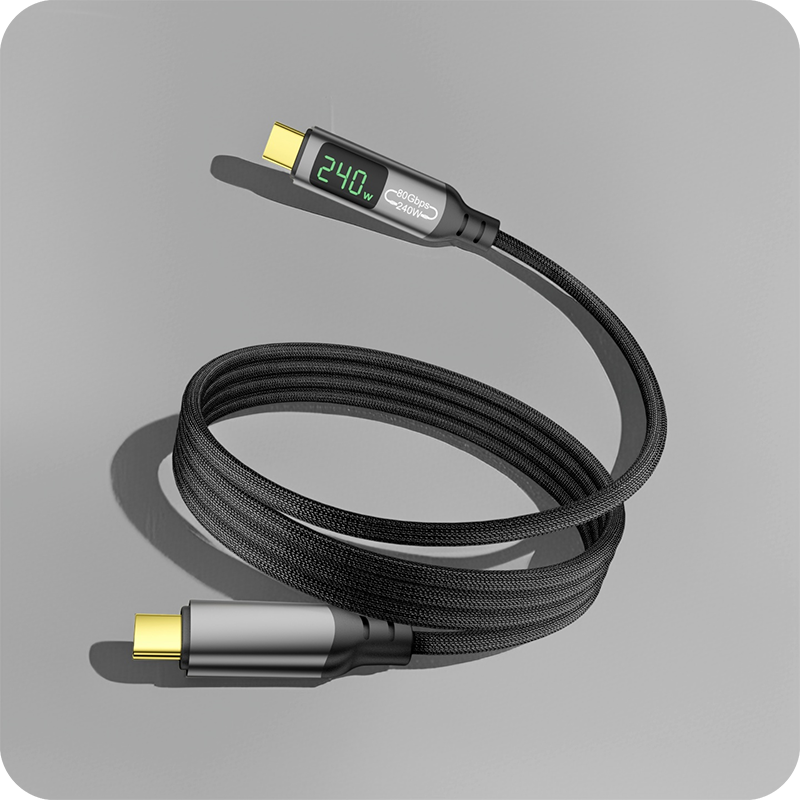
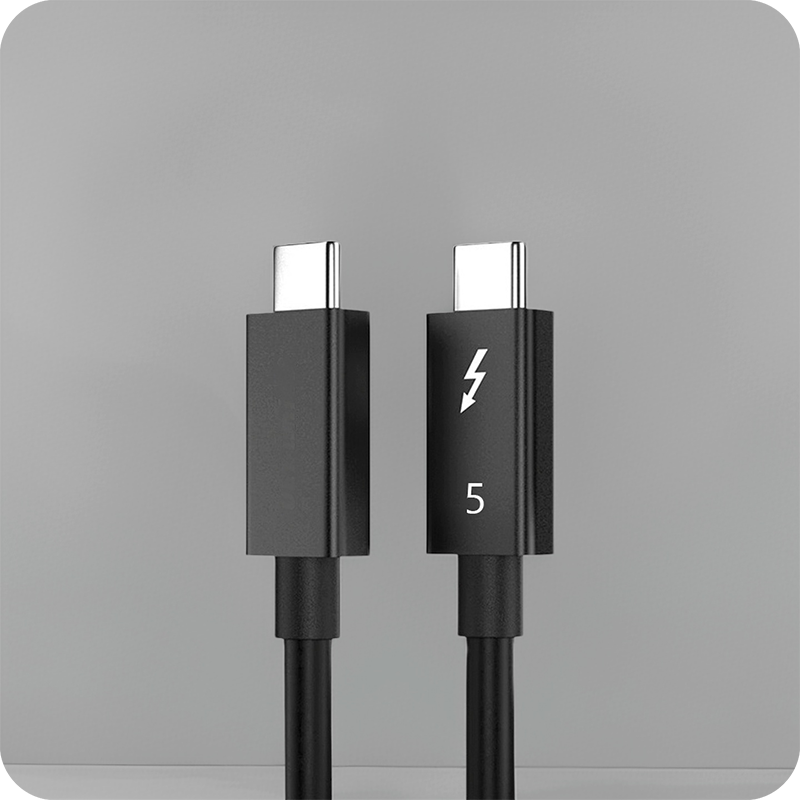
USB-C parts are often described by both charging power and data speed, but those numbers do not answer the same question. Buyers should confirm the power, data, video, and mechanical needs before selecting a cable, adapter, or hub.
Connector exit direction affects strain relief, port clearance, and how a tethered setup behaves in daily use. This guide helps buyers compare straight and right-angle USB-C cable options before sending an RFQ.
We use cookies to personalise content and ads, to provide social media features and to analyse our traffic. We also share information about your use of our site with our social media, advertising and analytics partners who may combine it with other information that you’ve provided to them or that they’ve collected from your use of their services.
Cookies are small text files that can be used by websites to make a user's experience more efficient.
The law states that we can store cookies on your device if they are strictly necessary for the operation of this site. For all other types of cookies we need your permission. This means that cookies which are categorized as necessary, are processed based on GDPR Art. 6 (1) (f). All other cookies, meaning those from the categories preferences and marketing, are processed based on GDPR Art. 6 (1) (a) GDPR.
This site uses different types of cookies. Some cookies are placed by third party services that appear on our pages.
You can at any time change or withdraw your consent from the Cookie Declaration on our website.
Learn more about who we are, how you can contact us and how we process personal data in our Privacy Policy.
Please state your consent ID and date when you contact us regarding your consent.